About · Since 2014 (demo)
An institution built on attention, and deliberately kept small.
Aurora Academy is a coaching institute for JEE and NEET aspirants that chose constraints over scale: eighteen seats to a room, one mentor to a batch, and a calendar every family can read.
- Founded as a twelve-seat room
- JEE · NEET · integrated preparation
- Design demo by Vizo Technology
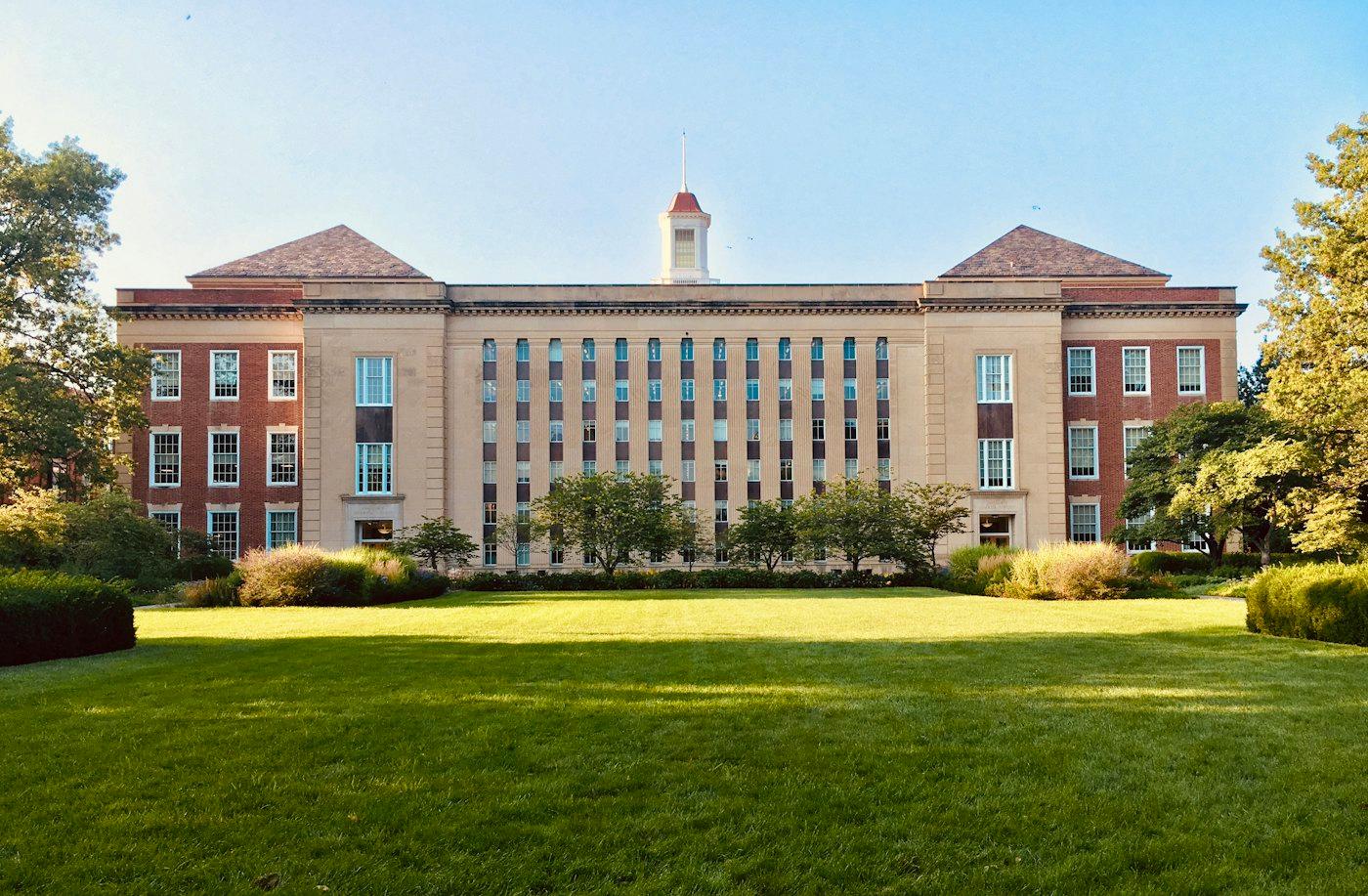
The campus houses four eighteen-seat classrooms, an evening doubt desk and an in-house test hall (demo description).
The story
Aurora Academy began with a room that was deliberately too small. Twelve students, one mentor, one blackboard — and the discovery that attention, given consistently for two years, produces results that volume never could.
Twelve years later the blackboards are screens and the room holds eighteen students, but the constraint is the same on purpose. We do not run lecture halls. We run batches where a mentor knows which chapter is costing a student marks in week six, and can change the plan by week seven.
What follows is a school of preparation rather than a school of teaching: diagnose honestly, build carefully, stress-test weekly, refine fortnightly. The exam stays the same every year. Our job is to make sure nothing in it arrives as a surprise.
We would rather teach eighteen students properly than two hundred adequately.
Why Aurora
Preparation designed around attention, not attendance.
Four commitments shape every batch we run — and each one is visible in the weekly routine of the classroom.
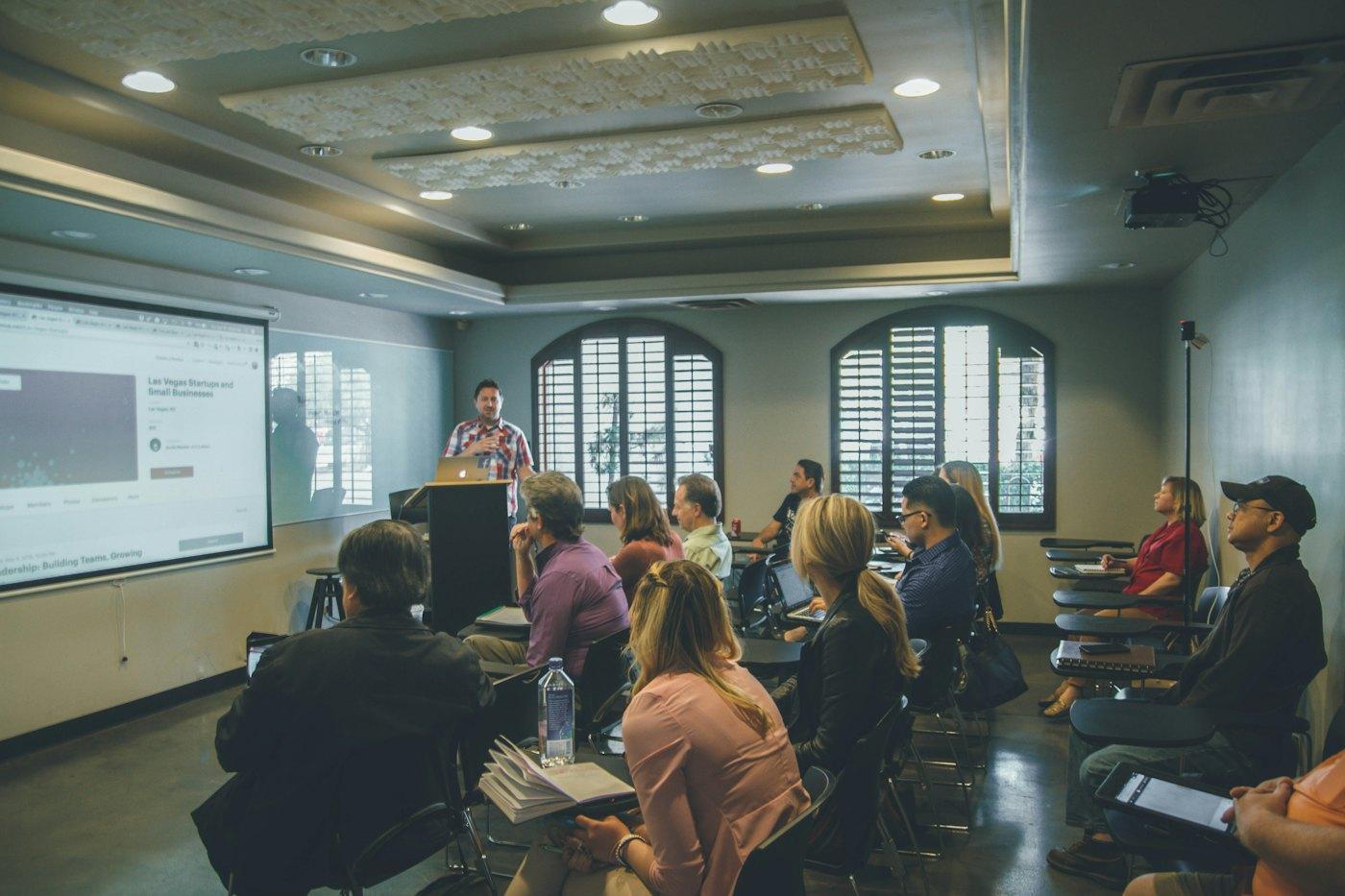
Batches capped at eighteen
Every student is known by name, by weakness and by pace. Mentors carry the same batch through the year, so nothing has to be re-explained from scratch each term.
A syllabus you can see
From day one, students work against a mapped calendar: what is taught this week, what is revised next month, and exactly where the checkpoints fall.
Testing that tells the truth
Weekly papers are graded for marks and for method. The analysis names the question types costing marks, so revision becomes targeted instead of hopeful.
Feedback with a name attached
Fortnightly mentor reviews bring parents into the loop — progress, attendance and the plan for the next two weeks, written down and owned by one person.
The Aurora method
Four movements, repeated until the exam feels familiar.
Nothing in the year is improvised. Each batch runs the same disciplined loop, with the mentor deciding the pace.
Diagnose
A baseline assessment maps strengths, gaps and study habits before a single chapter is taught.
Build
Concept-first classes with worked problems solved in the room. Nothing moves forward until the room can solve it.
Stress-test
Weekly papers under exam conditions, graded the same day, with an error analysis that names patterns rather than chapters.
Refine
Fortnightly one-to-one reviews rewrite the study plan around what the data actually shows.
Inside the campus
Four rooms, one routine.
Eighteen-seat classrooms
Rooms built for discussion rather than lectures — every student sits close enough to be asked a question.
Evening doubt desk
A staffed desk open until closing, six days a week, for the question that refuses to wait for the next class.
In-house test hall
Weekly papers written under exam conditions — same seating discipline, same invigilation, same clock.
Digital campus
Recorded sessions, graded papers and error analyses mirrored online, so a missed class is never a lost week.
Admissions
Four steps from first enquiry to first class.
No entrance test to enter the programme — only an honest diagnostic so the batch we recommend is the right one.
Enquire
Share the student's class, target exam and timeline through the form, a call or WhatsApp.
Diagnostic sitting
A 45-minute assessment and a short mentor conversation establish the honest starting point.
Counselling
We recommend a programme, batch and revision calendar — and answer fee and schedule questions plainly.
Enrol
Confirm the seat, complete enrolment, and meet the mentor who will own the batch for the year.
Admissions desk
Talk to a mentor before you decide.
Bring the student's class, target exam and timeline. We will recommend a programme and batch honestly — including when we are not the right fit.
- Admissions desk+91 90000 00000
- Emailadmissions@example.com
- Campus123, Knowledge ParkYour City, State 000000
- Counselling hoursMon–Sat · 9:00 AM – 7:00 PM
Demo site: submitting the form stores nothing. It prepares a WhatsApp message you can choose to send yourself.
Request a callback
Tell us about the student and an Aurora counsellor will call you back.